
The King’s Need for a Male Heir
Wolf HallThis thread traces Henry’s fixation on a legitimate son and the way that longing drives policy, marriage, and violence.
increasing Bearing strength in each event
 decreasing
Bearing strength in each eventdecreasingA Lost Infant and a Living Daughter
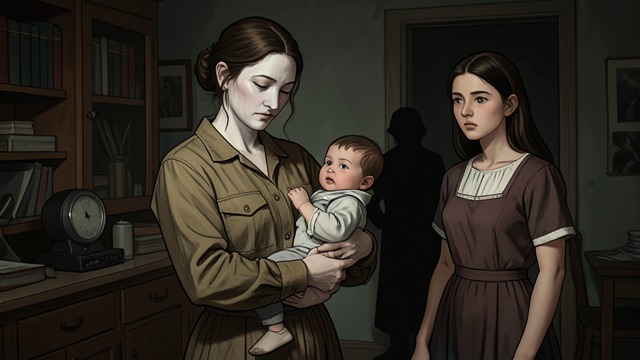
An Unsettled Succession
Repeated loss
Katherine’s pregnancies end in infant deaths or miscarriages, while Mary survives. Henry interprets the absence of a son as a threat to the dynasty and a possible sign of divine disfavor.
The king’s fear
Cromwell sees that disease and chance can explain the losses, but Henry’s need for certainty turns them into a moral and political crisis.
Anne as a Promised Solution
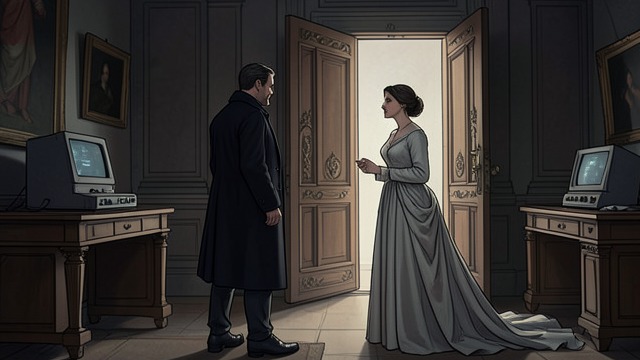
A New Marriage for an Heir
Desire becomes policy
Henry pursues Anne Boleyn, believing a new marriage may produce the son he needs. Anne refuses to be a temporary mistress and uses that refusal to secure a path toward queenship.
The political gamble
Cromwell helps make the marriage possible through legal and parliamentary action. The king’s private desire becomes a national transformation whose success still depends on childbirth.
A Princess Instead
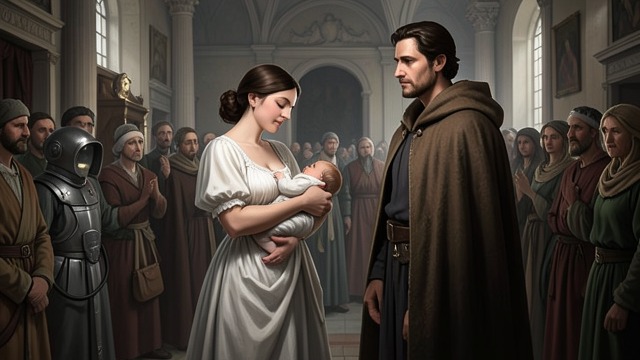
Elizabeth’s Birth
The expected prince absent
Anne gives birth to a daughter, Elizabeth. Henry initially withdraws in disappointment, then disciplines himself into public celebration and speaks of another pregnancy.
The succession remains fragile
The birth neither resolves the dynasty nor ends the political crisis. Elizabeth’s existence becomes a fact the law must accommodate, while Mary’s status remains contested.
1509–1527
1527–1533
September 1533
